Business Compliance in Qatar: A Simple Guide for Company Owners and Managers
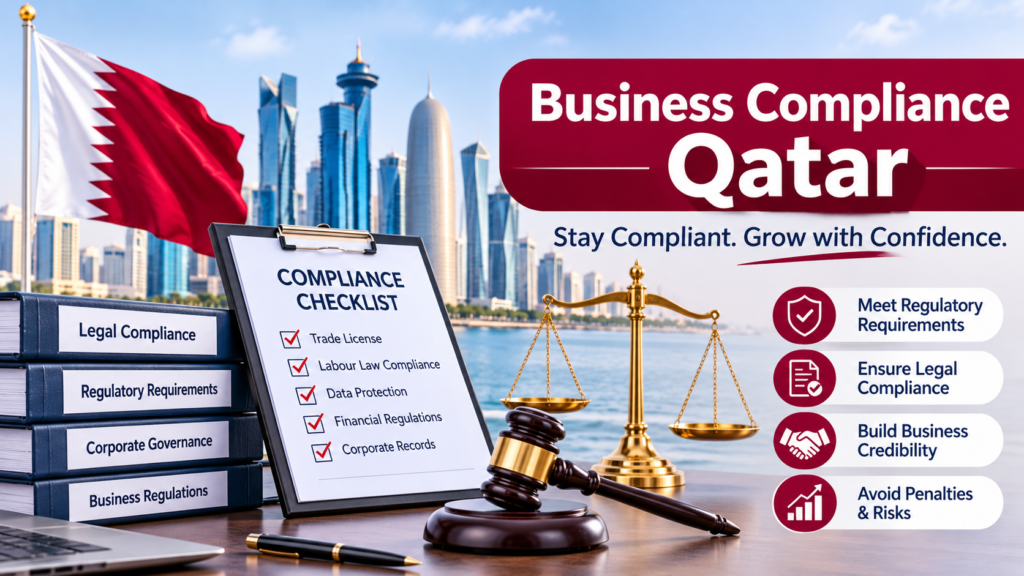
Running a company in Qatar is rewarding. It also comes with rules, deadlines and renewals that are easy to miss when you are busy growing the business.
Missing one can mean fines, blocked services or delays when you need a visa or a licence renewal.
This guide explains business compliance in Qatar in simple steps. You will see what it covers, which deadlines matter and how to stay organised. At TBC Business Consultancy Qatar, we help companies handle these tasks every year, so we also share the mistakes we see most often.
What Is Business Compliance in Qatar?
Business compliance means following the laws and regulations that apply to your company. In Qatar, this covers:
- Company registration and licences
- Tax registration and filing
- Labour and employment rules
- Anti-money laundering (AML) duties
- Data protection
- Record keeping and audited accounts
The rules depend on your company type, your activity and your location. A mainland LLC, a branch of a foreign company and a company in a free zone or the Qatar Financial Centre (QFC) may each follow different rules.
Why Qatar Company Compliance Matters
Good compliance is not just about avoiding penalties. It helps you:
- Keep your trade licence and commercial registration active
- Process work visas and renewals without delays
- Win contracts, since many clients check your documents first
- Open and keep bank accounts without problems
- Protect your reputation and your owners from legal risk
The Core Areas of Business Compliance in Qatar
1. Commercial Registration and Trade Licence
Every company needs a valid commercial registration (CR) and a trade licence for its activity. These are issued through the Ministry of Commerce and Industry and the relevant municipal authorities.
What to do:
- Renew both before they expire
- Make sure your listed activities match what you actually do
- Update the records when you change your address, manager, partners or capital
An expired licence can stop other approvals, so treat this as your first priority.
2. Establishment Card and Government Accounts
Your company needs an establishment card and active accounts with the Ministry of Labour and the Ministry of Interior. These accounts are what you use to hire staff and process visas.
Keep authorised signatory details current. If the person listed has left the company, update it before you need a service.
3. Tax Compliance in Qatar
Companies must register with the General Tax Authority (GTA) and file the required tax returns on time. Obligations depend on your ownership structure and income.
What to do:
- Register for a tax card if you have not already
- File annual tax returns by the deadline
- Keep invoices, contracts and financial records organised
- Respond promptly to any GTA notices
Tax rules can change, so confirm current requirements with the GTA or a qualified adviser.
4. Audited Financial Statements and Record Keeping
Many companies are required to keep proper accounting records and prepare financial statements reviewed by a licensed auditor. These are often needed for tax filings and licence renewals.
Tip: do not wait until the deadline. Reconcile your books monthly so year-end is smooth.
5. Labour Law and Employee Compliance
Employers must follow Qatar labour law. The main points are:
- Signed contracts registered through the Ministry of Labour
- Wages paid on time through the Wage Protection System (WPS)
- Valid residence permits and Qatar IDs for all employees
- Proper working hours, leave and end-of-service benefits
- Safe and compliant accommodation and workplaces where required
Our guide on the employment visa process in Qatar covers hiring in more detail.
6. Anti-Money Laundering (AML) and Beneficial Ownership
Qatar takes AML and counter-terrorist financing seriously. Depending on your sector, you may need to:
- Verify your customers and know who owns and controls them
- Keep records of transactions and checks
- Report suspicious activity to the proper authority
- Maintain up-to-date information on your company’s beneficial owners
Regulated sectors such as real estate, jewellery, accounting and legal services often face stricter requirements. If you are unsure whether you are covered, ask.
7. Data Protection
Qatar has a personal data protection law. If you collect customer or employee data, you should handle it carefully. That means being clear about why you collect it, storing it securely and limiting who can access it.
8. Sector-Specific Permits
Some activities need extra approvals, for example food businesses, healthcare, education, construction, and trading in regulated products. Check whether your activity needs additional permits, inspections or Civil Defence approval.
Business Compliance Checklist for Qatar
Use this as a quick review. Tick each item or assign it to someone.
Every month
- WPS salaries paid and records filed
- Bookkeeping updated
- Visa and residence permit expiries reviewed
Every quarter
- Review upcoming renewals for the next 90 days
- Check that signatory and contact details are current
- Review any new customer or supplier checks required for AML
Every year
- Commercial registration and trade licence renewed
- Establishment card renewed
- Financial statements prepared
- Tax return filed
- Lease or office contract renewed
- Insurance and sector permits reviewed
Common Compliance Mistakes in Qatar
- Missing renewal dates. Many owners only notice when a service is blocked.
- Outdated company details. A changed address or manager that is not updated causes rejections later.
- Poor record keeping. Missing invoices and contracts make tax and audit work harder.
- Late salary payments. This can trigger penalties under the WPS system.
- Wrong business activity. Doing work outside your licensed activity is a risk.
- Ignoring official notices. Letters and portal messages need a response.
- Relying on old advice. Rules change, so check current sources.
How a Compliance Consultant Can Help
You can manage compliance yourself, but it takes time and attention. A consultancy helps most when you are growing, hiring often, or do not have an in-house PRO or finance team.
With TBC Business Consultancy Qatar, you get:
- A compliance calendar built around your company’s real deadlines
- Help with licence, CR and establishment card renewals
- Support with government portals and paperwork
- A review of your documents before submission
- Clear advice on what applies to your company and what does not
We cannot promise how authorities will decide, and no honest consultant can. We can make sure your files are complete, correct and on time.
Frequently Asked Questions
What is business compliance in Qatar?
It means following the laws that apply to your company, including licensing, tax, labour, AML and data protection rules.
How often do I need to renew my trade licence in Qatar?
Trade licences and commercial registrations are renewed periodically, usually every year. Check the expiry date on your documents and start renewal early.
What happens if I miss a compliance deadline?
You may face fines, delays or restrictions on government services. The impact depends on the type of deadline and how late you are.
Do all companies in Qatar need to file tax returns?
Most companies must register with the General Tax Authority and file returns as required. Confirm your exact obligations with the authority or a qualified adviser.
Do I need an auditor?
Many companies need financial statements reviewed by a licensed auditor, especially for tax and licence purposes. Requirements vary by company type.
Is compliance different in free zones or the QFC?
Yes. Companies in free zones and the Qatar Financial Centre follow additional or different rules set by those authorities.
Can a consultant handle compliance for me?
Yes. Many companies use a consultant or PRO service to manage renewals, filings and government portal work so the owners can focus on the business.




Leave A Comment