Qatar MoI Urges Residency Violators to Come Forward: What Expatriates Need to Know
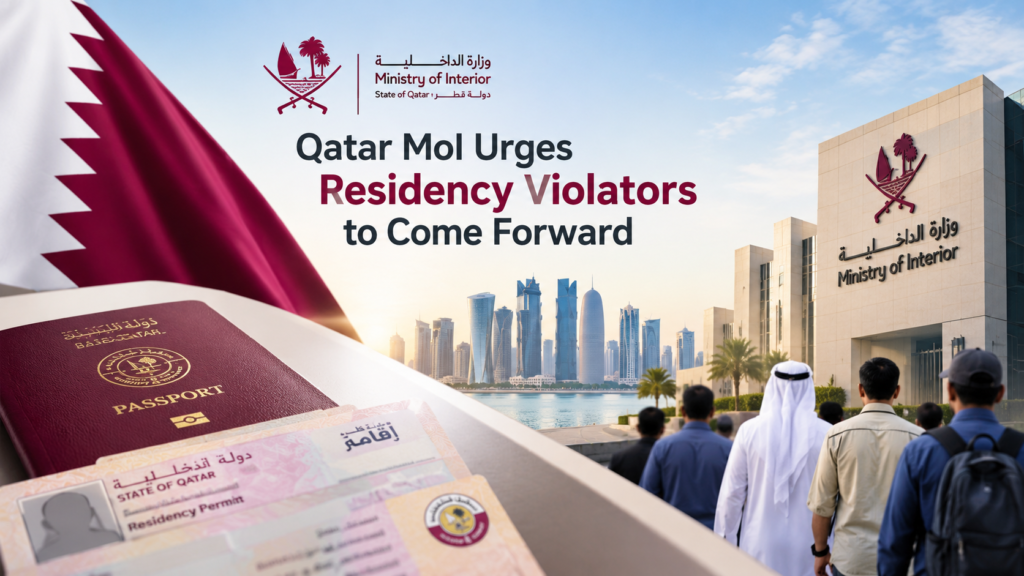
Qatar’s Ministry of Interior (MoI) has issued a clear message to expatriates who have overstayed their permitted residency period: come forward voluntarily and request assistance instead of avoiding the authorities. For thousands of residents living with an uncertain status, this announcement is an important opportunity to resolve the situation the right way.
In this guide, TBC QA explains what the MoI announced, who it applies to, what to expect when you approach the authorities, and how to prepare. Whether you are affected personally or are an employer responsible for staff, understanding the process is the first step.
What Did the Ministry of Interior Announce?
The MoI’s Search and Follow-Up Department stated that expatriates who have exceeded their legal residency period, and who have no other pending legal cases, are encouraged to approach the authorities voluntarily. The purpose is to help those who wish to return to their home countries complete departure procedures through official channels.
The key points of the announcement are:
- Individuals with no other pending legal cases may voluntarily request assistance.
- Each case is reviewed individually under the applicable regulations.
- Additional legal procedures or penalties may apply depending on the circumstances.
- Assistance is available through MoI service centres and the Search and Follow-Up Department on Salwa Road.
The message is simple: explaining your circumstances to the authorities is better than staying out of sight.
Who Does This Apply To?
The announcement is aimed at expatriates who have overstayed their residency or visa period and who wish to leave Qatar. The most important condition is that the person has no other pending legal cases. If a case is open against you, such as a financial dispute, a labour complaint, or a criminal matter, the situation is different and needs separate legal attention before departure.
This commonly includes:
- Workers whose residence permit expired and was not renewed
- Residents whose sponsor or employer stopped the process midway
- Visitors who stayed beyond the validity of a visit or family visa
- Dependents whose residency lapsed after a change in the sponsor’s status
If you are unsure which category you fall into, a professional review of your documents can give you clarity before you visit any office.
Why Overstaying Happens
Not every violation is intentional. In our experience supporting clients across Qatar, overstays often result from circumstances outside the individual’s control:
Missed renewals. A residence permit expires, and the renewal is delayed because of paperwork errors, an unresponsive employer, or an unpaid fee.
Employment disputes. A worker leaves a job or loses a position and is unable to transfer sponsorship or finalise exit procedures in time.
Company closures. When a business shuts down or its commercial registration lapses, staff residencies can be left in limbo.
Lack of information. Many expatriates simply do not know which steps to take or which department to approach, so they delay, and the problem grows.
Whatever the cause, the longer a status issue is left unresolved, the harder it becomes to manage.
Why Coming Forward Is the Better Option
Staying out of sight may feel safer, but it rarely is. An unresolved residency violation can limit your ability to work, rent housing, open or use bank services, access healthcare, or travel. It can also expose you to detection during routine checks, which may lead to a more difficult process.
By approaching the authorities voluntarily, you:
- Show good faith. Voluntary engagement demonstrates that you want to follow the rules and resolve the matter.
- Get official guidance. The MoI can explain the exact procedure for your case rather than leaving you to rely on rumours.
- Move toward closure. Completing departure formalities properly helps you leave on clear terms.
- Protect your future. Handling the issue correctly may reduce complications if you plan to return to Qatar or work elsewhere in the region.
It is important to stay realistic. The Ministry has been clear that each case is reviewed individually and that additional legal procedures or penalties may still apply. Coming forward does not guarantee a waiver of every consequence, but it is the recommended path.
Where to Go: MoI Service Centres and the Search and Follow-Up Department
Assistance is available through MoI service centres and through the Search and Follow-Up Department, located on Salwa Road in Doha. Before visiting, it helps to:
- Confirm which office handles your specific situation
- Check current opening hours and any appointment requirements
- Bring original documents and clear copies
- Arrive early and be prepared to explain your situation clearly and honestly
Documents to Prepare Before You Visit
Being organised makes the process smoother. Gather as many of the following as possible:
- Passport (valid, or details of the embassy renewal process if expired)
- Qatar ID or a copy of the last residence permit
- Previous visa or entry records
- Employment contract or termination letter, if applicable
- Sponsor or employer details
- Proof of address in Qatar
- Travel ticket or intended travel plan, if available
- Any previous correspondence with immigration or your sponsor
If your passport has expired or been lost, contact your embassy or consulate first. Many missions can issue emergency travel documents to support the departure process.
What Happens After You Approach the Authorities?
While the exact steps depend on your case, the general process usually involves:
- Review of your status. Officials check your records, the length of the overstay, and whether any other cases are linked to your name.
- Case assessment. Each case is evaluated individually under the applicable regulations.
- Guidance on penalties or procedures. You will be informed of any additional legal procedures or financial penalties that apply.
- Departure arrangements. Once requirements are met, you are guided through the process of leaving the country lawfully.
Outcomes can differ from one person to another. That is why preparation and accurate information matter.
What Employers and Sponsors Should Know
Residency compliance is not only an individual matter. Employers and sponsors in Qatar carry responsibilities, including renewing permits on time, maintaining accurate employee records, and completing exit procedures correctly when employment ends.
Companies should consider:
- Running a regular audit of all employee residence permit expiry dates
- Setting automatic reminders at least 60 to 90 days before expiry
- Keeping employee files, contracts, and visa records up to date
- Completing cancellation and transfer procedures promptly when staff leave
A proactive compliance system protects both your workforce and your business from legal and financial risk.
Common Mistakes to Avoid
Waiting too long. Delays rarely improve a situation.
Trusting unofficial agents. Be cautious of anyone promising guaranteed outcomes or quick fixes outside official channels. Only use licensed and reputable service providers.
Hiding information. Be honest about your circumstances. Inaccurate statements can complicate your case.
Ignoring other cases. If you have a pending dispute, loan, or complaint, address it, because the voluntary assistance route applies to those with no other pending legal cases.
Relying on rumours. Procedures and regulations can change. Always confirm details through official sources or a qualified PRO consultant.
How TBC QA Can Help
TBC QA is a PRO services and business consultancy firm in Qatar with practical experience in government procedures, documentation, and compliance. While the final decision on every case rests with the authorities, professional support can make the process clearer and less stressful.
Our team can help you:
- Understand your position by reviewing your visa, residency, and employment documents
- Prepare the right paperwork so that you arrive at the correct office with the correct documents
- Explain the procedure step by step in plain language
- Support employers with residency audits, renewals, and compliance planning
- Avoid costly errors by following official processes only
We do not promise specific outcomes. What we do offer is accurate guidance, organised preparation, and respectful, confidential support.
Frequently Asked Questions
Can anyone with an expired residency come forward? The announcement applies to those who have overstayed and have no other pending legal cases. Each case is still reviewed individually.
Will I definitely avoid penalties if I come forward voluntarily? No. The Ministry has stated that additional legal procedures or penalties may apply depending on the circumstances.
Where is the Search and Follow-Up Department? It is located on Salwa Road, and assistance is also available through MoI service centres.
What if I have a pending case against me? The voluntary assistance route is intended for those without other pending cases. If you have one, seek professional advice to understand how to resolve it first.
Can a PRO company go on my behalf? In many procedures, a PRO can assist with preparation, documentation, and guidance. Whether personal attendance is required depends on the specific case and the authority’s requirements.
Final Thoughts
The Ministry of Interior’s call is an invitation to resolve residency violations through proper channels. For expatriates who have overstayed and wish to return home, coming forward voluntarily is a clear, official route that is far better than living with uncertainty.
If you or your employees are affected, do not wait. Gather your documents, get accurate information, and take the first step.
Need guidance on your residency or visa status in Qatar? Contact TBC QA today for a confidential consultation with our PRO team.




Leave A Comment